
You hand over your old phone at a collection drive. The technician puts it in a box and carries it away. And then — what? Most people have no idea what happens next. Does it really get recycled? Who does it? And is it actually safe for the environment?
At Universal Power Solutions, we process thousands of kilograms of e-waste every month at our CPCB-authorized facility in Faridabad, Haryana. In this article, we pull back the curtain and walk you through exactly what happens to your old electronics — step by step — from the moment they leave your hands to the moment valuable materials are recovered and hazardous waste is safely disposed of.
Key Takeaways
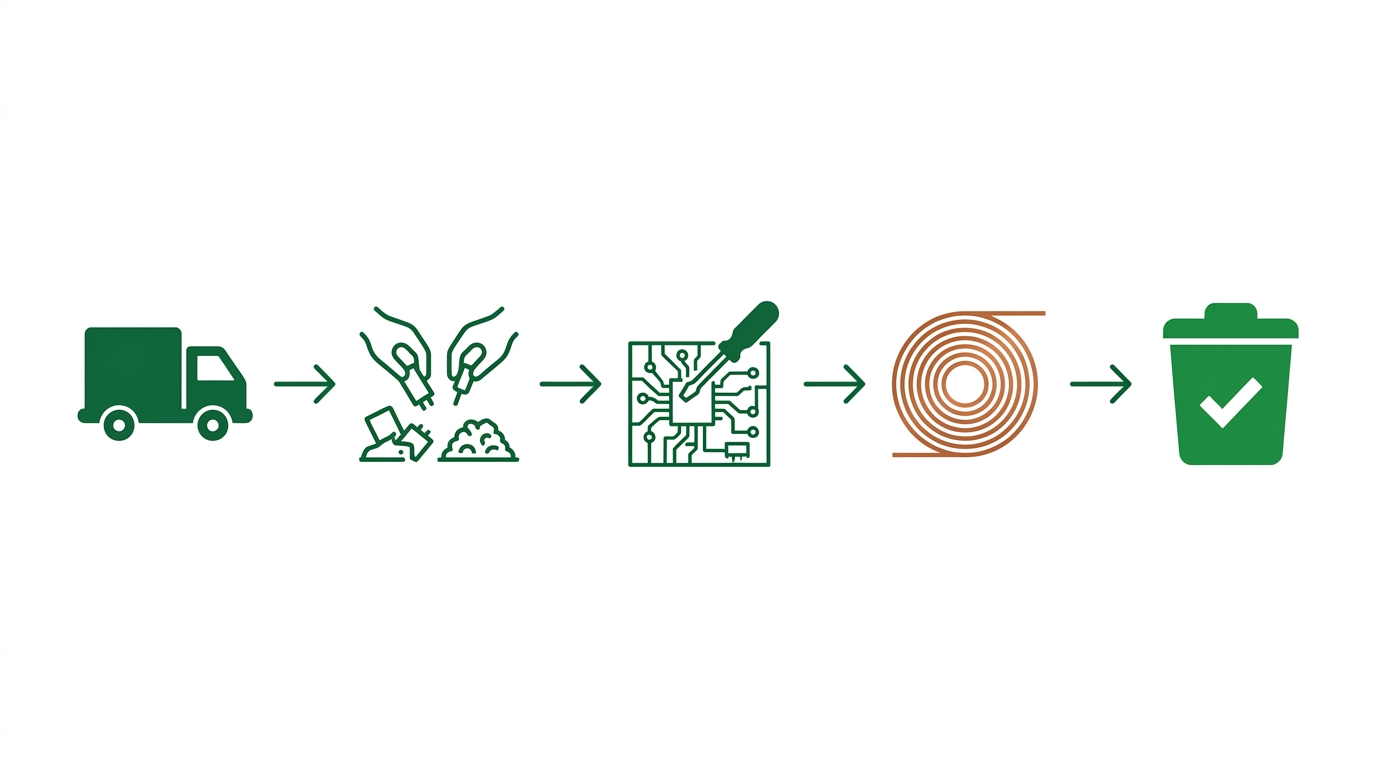
- E-waste recycling is a multi-step process: collection → sorting → dismantling → shredding → material recovery → safe disposal.
- A single smartphone contains over 60 elements including gold, silver, copper, palladium, and rare earth metals.
- Only CPCB-authorized recyclers can legally process e-waste in India.
- Proper recycling prevents toxic materials like lead, mercury, and cadmium from entering soil and water.
- Recovered materials from e-waste go back into manufacturing new products — reducing the need for mining.
Why Proper E-Waste Recycling Matters
Before we walk through the process, it's worth understanding why it matters so much. Your old laptop, tablet, or refrigerator contains two types of materials — valuable and hazardous.
The valuable side: a tonne of circuit boards contains more gold than a tonne of gold ore. The hazardous side: the same device contains lead in solder, mercury in switches, cadmium in batteries, and brominated compounds in plastic casings. If dumped in a landfill or burned, these toxins leach into soil, groundwater, and air — poisoning ecosystems for decades.
A properly licensed recycler extracts the valuable materials safely while neutralizing or safely disposing of the hazardous ones. That is the entire purpose of the process we are about to describe.
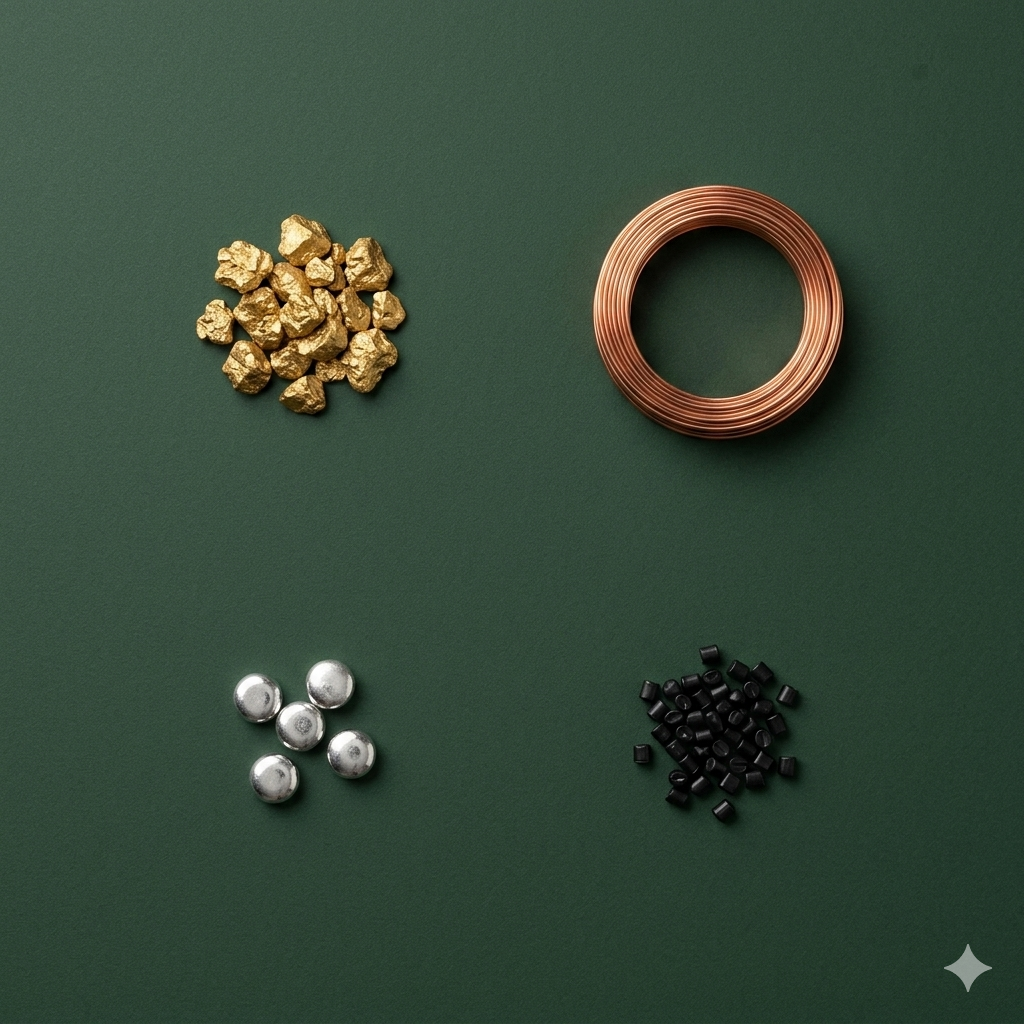
One million recycled mobile phones yield approximately 24 kg of gold, 250 kg of silver, 9 kg of palladium, and 9,000 kg of copper — all recovered without a single gram of mining.
The Complete E-Waste Recycling Process: Step by Step
Collection & Doorstep Pickup
The process begins the moment you decide to recycle. Authorized recyclers like Universal Power Solutions offer scheduled doorstep pickup for bulk e-waste from offices, factories, IT parks, and households. For smaller quantities, designated drop-off points and collection drives are organized.
At this stage, a Waste Transfer Note (challan) is issued — a legal document that records what material was handed over, in what quantity, and to whom. This is your proof that the e-waste was handled responsibly, and it is required for EPR compliance records.
Weighing & Initial Documentation
All incoming e-waste is weighed and logged at the facility gate. Each batch is assigned a unique tracking number. The weight slips are critical documents — they feed into the EPR certificate generation process and are submitted with annual compliance reports to CPCB.
This step ensures full traceability: every kilogram of e-waste that enters the facility is accounted for, and every kilogram of output (recovered material or disposed hazardous waste) is documented against it.
Sorting & Categorization
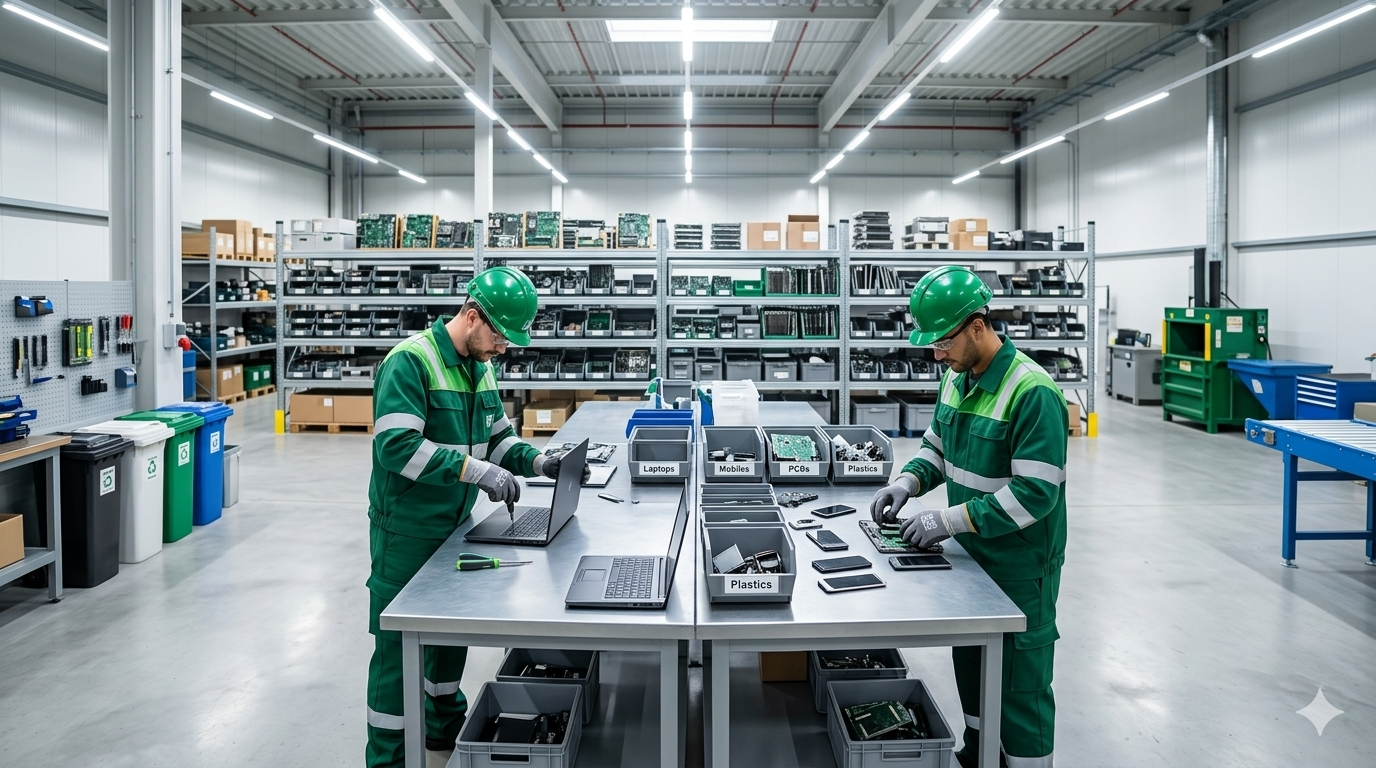
Not all e-waste is the same. At the sorting stage, trained workers separate incoming material into categories — IT equipment, consumer electronics, large appliances, batteries, CRT/LCD screens, cables and wires, PCBs (printed circuit boards), and other categories.
Items that can be refurbished and reused are set aside. A working laptop that simply needs a battery replacement is far more valuable refurbished than shredded. Refurbishment extends the life of electronics and reduces the total volume that needs to be recycled.
Manual Dismantling
This is the most skilled and labour-intensive step. Technicians wearing personal protective equipment (PPE) — gloves, masks, eye protection — manually disassemble each device. Why manual? Because automated shredding cannot safely separate all components.
At this stage, specific hazardous components are carefully removed before the rest of the device goes into further processing:
- Batteries — lithium-ion, lead-acid, and NiMH batteries are removed and sent to dedicated battery recyclers to prevent fire risk and toxic leakage.
- CRT screens — removed carefully as they contain significant amounts of lead in the glass funnel.
- Toner cartridges — separated to prevent fine particle contamination.
- Capacitors with PCBs — identified and handled separately if they contain hazardous compounds.
- Mercury-containing lamps — found in older LCD backlights and fluorescent tubes, handled with specialized mercury-safe procedures.
Shredding & Size Reduction
After hazardous components are removed, the remaining material goes into industrial shredders and granulators. These machines break down the electronics into small, uniform fragments — typically 50–100mm in size. Shredding achieves two things: it makes material handling efficient, and it exposes the internal materials (metals, plastics, glass) for the next stage of separation.
Modern shredding facilities use dust suppression systems and enclosed shredding chambers to prevent fine particles from escaping into the air — protecting both workers and the surrounding environment.
Material Separation & Recovery
This is where the science happens. The shredded material passes through a series of separation technologies to isolate different material streams:
- Magnetic separation — powerful magnets pull out ferrous metals (iron, steel).
- Eddy current separation — separates non-ferrous metals like aluminium and copper from non-metals.
- Density separation — separates plastics from metals using air classification or water-based systems.
- Optical sorting — cameras and sensors identify and sort different plastic types by colour and composition.
The result: separate, clean streams of ferrous metal, non-ferrous metal, mixed plastics, and glass — each ready for sale to downstream processors and manufacturers.
Precious Metal Recovery from PCBs
Printed circuit boards (PCBs) are the most valuable component of e-waste. They are sent to specialized hydrometallurgical or pyrometallurgical processing plants where chemical and heat-based processes extract precious metals — gold, silver, palladium, and platinum — from the board substrate.
This process requires highly controlled conditions and produces its own liquid and gaseous waste streams that must be treated according to environmental regulations. Only facilities with the right permissions and technology can legally perform precious metal recovery from PCBs.
Safe Disposal of Hazardous Residues
Not everything in e-waste can be recovered or recycled. Some materials — such as certain flame retardant compounds, residual mercury, and contaminated filter dust from shredding — are classified as hazardous waste under the Hazardous and Other Wastes Management Rules, 2016.
These residues must be sent to authorized Treatment, Storage, and Disposal Facilities (TSDFs) — typically secured landfills with engineered liners that prevent leaching, or high-temperature incineration facilities. This is the final step that ensures zero harmful discharge into the environment.
What Gets Recovered? The Value Inside Your Old Electronics
Here is a quick look at what a certified recycler typically recovers from common e-waste categories:
Smartphones: Gold (in connectors and processors), silver (in contacts), copper (in wiring), cobalt (in batteries), lithium (in batteries), rare earth elements (in speakers and screens), and various engineering plastics.
Laptops & Computers: Aluminium (chassis), copper (heat sinks and wiring), steel (frame), gold and silver (PCBs), lithium (battery), and high-grade engineering plastics from the casing.
Televisions & Monitors: Copper (wiring), aluminium (frames), glass (LCD panels), indium (from LCD screens — a rare and valuable material), and steel from older CRT models.
How to Know If Your Recycler Is Legitimate
In India, only CPCB-authorized e-waste recyclers can legally collect, dismantle, and process e-waste. Before handing over your electronics, always verify:
- The recycler has a valid CPCB authorization certificate — ask to see it or verify on the CPCB website.
- They provide a Waste Transfer Note for every pickup.
- They can generate EPR certificates in your company's name on the CPCB portal.
- They have a physical, verifiable facility — not just a collection middleman.
Unauthorized recyclers often sell e-waste to informal scrap markets where it is burned or acid-dipped in open spaces — releasing toxic fumes and contaminating soil and water. The cost of informal recycling is borne by communities near these sites, not the businesses that handed the waste over.
Conclusion
Your old electronics do not have to become a problem. When recycled through the right channels, they become a resource — not waste. Every kilogram of e-waste properly processed means less mining, less pollution, and more materials back in the production cycle.
At Universal Power Solutions, we handle every step of this process — from scheduling your pickup to generating EPR certificates and filing documentation — so that you can recycle with complete confidence and compliance.
Schedule Your E-Waste Pickup Today
We collect e-waste from offices, factories, IT parks, and households across India. CPCB-authorized, fully documented, and EPR compliant.
Book a Pickup